Healthcare and education campuses in Cincinnati never truly close. Hospitals like Cincinnati Children’s Hospital operate around the clock, and major universities such as the University of Cincinnati and Xavier University see continuous activity across classrooms, residence halls, dining facilities, and research buildings. With aging infrastructure, heavy daily use, and no tolerance for downtime, these campuses face plumbing demands that far exceed those of a typical commercial property.
Traditional drain cleaning methods often fall short in high-traffic institutional environments. Snaking a drain may temporarily clear a blockage, but it rarely addresses the underlying buildup that causes problems to recur. For facility managers responsible for keeping these complex systems running, that’s just not good enough.
Hydro-jetting services in Cincinnati offers a more thorough, longer-lasting solution. By using high-pressure water to scour pipe interiors and restore flow to full capacity, hydro-jetting supports uptime, compliance, and long-term system health across some of the city’s largest and most demanding campuses. Here’s how hydro-jetting keeps Cincinnati’s largest campuses operational year-round.
Why Healthcare and Education Facilities Are Prone to Drain Problems
Hospitals and universities generate a much larger volume of drain load when compared to standard commercial properties. Large campus kitchens and cafeterias push cooking grease, food particles, and cleaning chemicals through drain lines daily.
High-density residence halls contribute organic waste, paper products, and soap residue in substantial quantities. And unlike typical office buildings, these facilities rarely experience a true slowdown in usage, which means buildup accumulates continuously.
Older campus buildings compound the challenge significantly. Much of Cincinnati’s legacy campus infrastructure includes sewer lines that were installed decades ago.
These pipes are naturally more susceptible to scale deposits, root intrusion, and corrosion, all of which accelerate buildup and restrict water flow. This usually results in a higher-than-average incidence of slow drains, standing water, and drain backups, creating both sanitation hazards and operational disruptions.
Common contributors to drain problems in institutional settings include:
- Food service grease from cafeterias and commercial dining halls
- Organic waste, paper products, and cleaning residues in high-use restrooms
- Continuous water usage that accelerates mineral and debris buildup
- Legacy sewer lines with decades of scale accumulation
- Interconnected drain systems that spread blockages across multiple buildings
What Hydro-Jetting Is and How It Compares to Snaking
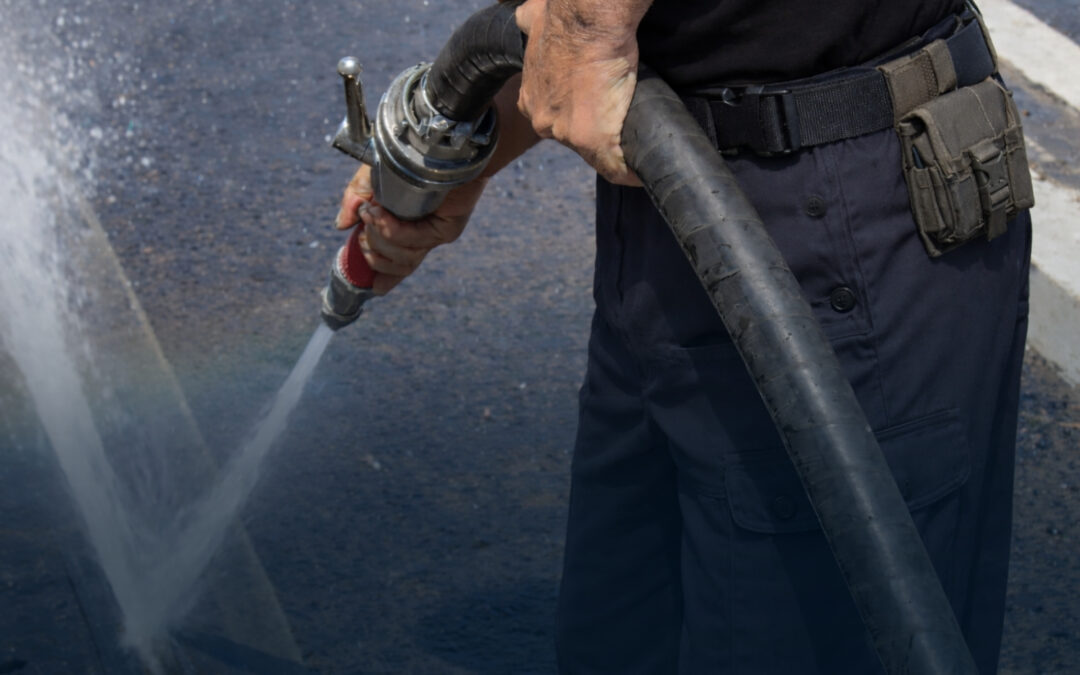
Hydro-jetting is a high-pressure water cleaning method that uses specialized equipment to scour the full interior surface of a pipe. Unlike snaking, which physically punctures a clog to create a path for water to pass through, hydro-jetting blasts away buildup from the pipe walls entirely. The result is a fully restored pipe diameter and proper flow throughout the system.
This distinction matters enormously in institutional settings. A snake may temporarily resolve a slow drain, but the buildup left on the pipe walls will continue to accumulate until the problem returns.
Hydro-jetting removes that buildup at the source, extending the time between service calls and reducing the likelihood of emergency situations.
Hydro-Jetting vs. Snaking for Institutional Drain Cleaning:
- Depth of Cleaning: Hydro-jetting scours the full pipe interior and removes all buildup from walls. Snaking punctures the clog only and leaves buildup on pipe walls.
- Pipe Diameter Restored: Hydro-jetting restores full flow capacity. Snaking only clears a path through the clog.
- Longevity of Results: Hydro-jetting delivers long-lasting results and prevents rapid re-buildup. Snaking provides short-term relief as buildup returns quickly.
- Best for Institutional Use: Hydro-jetting is ideal for high-volume, multi-building systems. Snaking is better suited for isolated, minor clogs.
- Impact on Uptime: Hydro-jetting requires less frequent service and causes minimal disruption. Snaking may require repeated visits, increasing disruption over time.
Why Hydro-Jetting Is Essential for Large Campuses
Scale changes everything when it comes to institutional plumbing. A university campus or major medical center may have dozens of buildings connected by long sewer runs, all feeding into a shared system. A blockage or restriction in one part of that system can affect multiple buildings at once, compounding the operational impact.
Hydro-jetting is designed to address these large-scale challenges. Its ability to clean long sewer runs thoroughly and restore full pipe capacity makes it far more effective than mechanical snaking in complex, interconnected systems. For Cincinnati’s campuses, which often include buildings constructed across multiple eras with different pipe materials and configurations, commercial hydro-jetting provides a level of cleaning consistency that other methods cannot match.
Beyond simple drain cleaning, hydro-jetting delivers meaningful benefits in institutional settings:
- Infection control and sanitation: In healthcare environments, clean drain lines directly support hygiene standards and help prevent the spread of pathogens through backups or standing water.
- Regulatory compliance: Hospitals and licensed facilities must meet strict facility and safety standards. Routine hydro-jetting helps demonstrate a proactive commitment to plumbing system maintenance.
- Reduced disruption: In academic buildings and residence halls, an unexpected drain backup can displace students, close restrooms, and halt operations. Preventive hydro-jetting minimizes that risk.
Cincinnati’s aging campus infrastructure makes preventive maintenance even more important. Older sewer lines accumulate buildup faster and are less forgiving of deferred maintenance. Hydro-Jetting is not just a reactive fix; it is a proactive investment in overall system performance.
Is Hydro-Jetting Safe for Older Pipes on Cincinnati Campuses?
This is one of the most common concerns facility managers raise, and it is a legitimate one. The older sewer lines found throughout Cincinnati’s campus buildings vary in condition, and not every pipe is an immediate candidate for high-pressure cleaning.
The answer, in most cases, is yes. Professional hydro-jetting includes a thorough pipe assessment before any work begins.
Technicians use camera inspections to evaluate the condition of sewer lines, identify compromised sections, and calibrate the appropriate water pressure for each application. This preparation step is what separates professional drain cleaning from a one-size-fits-all approach.
When performed correctly by experienced technicians, hydro-jetting is safe and often gentler on aging pipes than repeated mechanical snaking. Snaking requires physical force that can scratch or stress pipe walls over time, while hydro-jetting relies on water pressure that can be precisely controlled.
Pipes that are severely deteriorated may require additional evaluation, but in the vast majority of institutional applications, hydro-jetting can be performed safely with the right preparation.
How Hydro-Jetting Prevents Emergency Shutdowns
Recurring clogs are not just inconvenient; they are a warning sign of a plumbing system under stress. In critical areas such as hospital restrooms, laboratory drains, and commercial kitchen lines, a sudden failure does not just create a maintenance headache.
It can trigger a cascade of operational consequences, from closing off wings of a building to halting food service during peak hours.
Emergency plumbing repairs in hospitals and schools carry costs that go well beyond the service call. Patient care may be disrupted, health inspections can be triggered, and the reputational impact of visible plumbing failures in public spaces is difficult to quantify.
For universities, a backed-up residence hall bathroom during move-in week creates exactly the kind of situation facility managers work to avoid.
Routine hydro-jetting directly reduces the likelihood of these scenarios by addressing buildup before it reaches a critical level. The operational benefits include:
- Fewer after-hours emergency service calls
- Reduced need for emergency sewer line cleaning
- Lower risk of facility closures or room shutdowns
- Greater predictability in maintenance scheduling and budgeting
Healthcare plumbing maintenance built around scheduled hydro-jetting is fundamentally different from a reactive maintenance model. Instead of waiting for a problem to surface, facility managers can plan service around campus schedules, minimizing disruption to staff, students, and patients while keeping systems in peak condition.
Recommended Hydro-Jetting Schedules for Healthcare and Education Facilities
There is no single hydro-jetting schedule that fits every facility, but usage intensity provides a practical foundation for planning. Higher-traffic facilities with more complex plumbing needs generally require more frequent service, while lower-use buildings can be maintained on a longer cycle.
- Hospitals and Healthcare Facilities: Quarterly to semi-annually. Higher patient traffic and sanitation standards demand more frequent service.
- Universities and Large Campuses: Semi-annually to annually. Target high-use areas such as residence halls and main academic buildings each cycle.
- Dining Facilities and Cafeterias: Quarterly or more frequently. Grease accumulation accelerates clog formation in commercial kitchen drain lines.
- Central Utility and Mechanical Buildings: Semi-annually. Interconnected systems serving multiple structures benefit from regular preventive service.
It is worth noting that these frequencies represent general baselines. A facilities assessment by a qualified provider can help identify specific high-risk areas on your campus, such as grease-heavy kitchen lines or older building drains that show early signs of restriction, and build a service plan accordingly.
Choosing a Hydro-Jetting Partner for Cincinnati Institutions
Not all hydro-jetting providers are equipped to serve the scale and complexity of healthcare and education campuses. When evaluating options, facility managers should look for a provider that brings:
- Demonstrated experience working in healthcare and education environments
- The equipment and crew capacity to service large sewer systems with minimal disruption to daily operations
- A clear understanding of compliance requirements, safety protocols, and the scheduling constraints unique to institutional settings
- A commitment to long-term maintenance partnerships rather than one-time emergency service
Enervise is a trusted provider of commercial hydro-jetting and institutional drain cleaning across Greater Cincinnati. With deep experience serving complex commercial and institutional plumbing systems, Enervise works with facility managers to build proactive maintenance programs that protect operations, support compliance, and extend the life of sewer line infrastructure. Rather than simply responding to emergencies, the Enervise team becomes a long-term partner in keeping your campus systems reliable year-round.
FAQs
What makes healthcare and education facilities more prone to drain clogs?
These facilities generate significantly higher drain loads than standard commercial properties due to continuous use, food service operations, and high concentrations of users. Older campus infrastructure with aging sewer lines further accelerates buildup and increases the risk of blockages.
Is hydro-jetting safe for older sewer lines on large campuses?
Yes, in most cases. Professional hydro-jetting includes a camera inspection and pressure calibration before any service begins, ensuring the method is appropriate for the condition of the pipes. When performed correctly, hydro-jetting is often safer for aging pipes than repeated mechanical snaking.
How often should hospitals and universities schedule hydro-jetting?
Hospitals typically benefit from quarterly to semi-annual service, while universities and large campuses generally follow a semi-annual to annual schedule with more frequent attention to high-use areas. Dining facilities often require quarterly service or more due to grease accumulation.
Can hydro-jetting prevent emergency drain backups?
Yes. Routine hydro-jetting removes buildup before it reaches a critical level, reducing the likelihood of sudden failures in restrooms, labs, and kitchens. This preventive approach directly reduces emergency service calls and the operational disruptions that come with them.
How does hydro-jetting support compliance and sanitation standards?
In healthcare environments, clean drain lines help prevent the conditions that allow pathogens to spread and support compliance with facility and health standards. Documented preventive maintenance, including routine hydro-jetting, demonstrates a proactive approach to plumbing system management that regulators and accrediting bodies look for.
Keeping Cincinnati’s Campuses Flowing Without Disruption
Hospitals, universities, and other large institutional campuses depend on plumbing systems that simply can not fail. From patient care environments to the university campus residence halls, uninterrupted drain performance is not optional; it is a baseline requirement for keeping operations running safely and efficiently.
Hydro-Jetting delivers the depth of cleaning, longevity of results, and scalability that institutional environments demand. It supports infection control, regulatory compliance, and the kind of predictable maintenance schedules that allow facility managers to plan proactively rather than respond reactively. And for Cincinnati’s aging campus infrastructure, it is one of the most effective tools available for extending the life of sewer lines and preventing costly emergency repairs.
If you manage a healthcare or education campus in the greater Cincinnati area, now is a good time to schedule a hydro-jetting assessment with Enervise. Our team will evaluate your system, identify high-risk areas, and develop a maintenance plan tailored to your facility’s needs. Contact Enervise of Cincinnati today to protect your campus operations.