
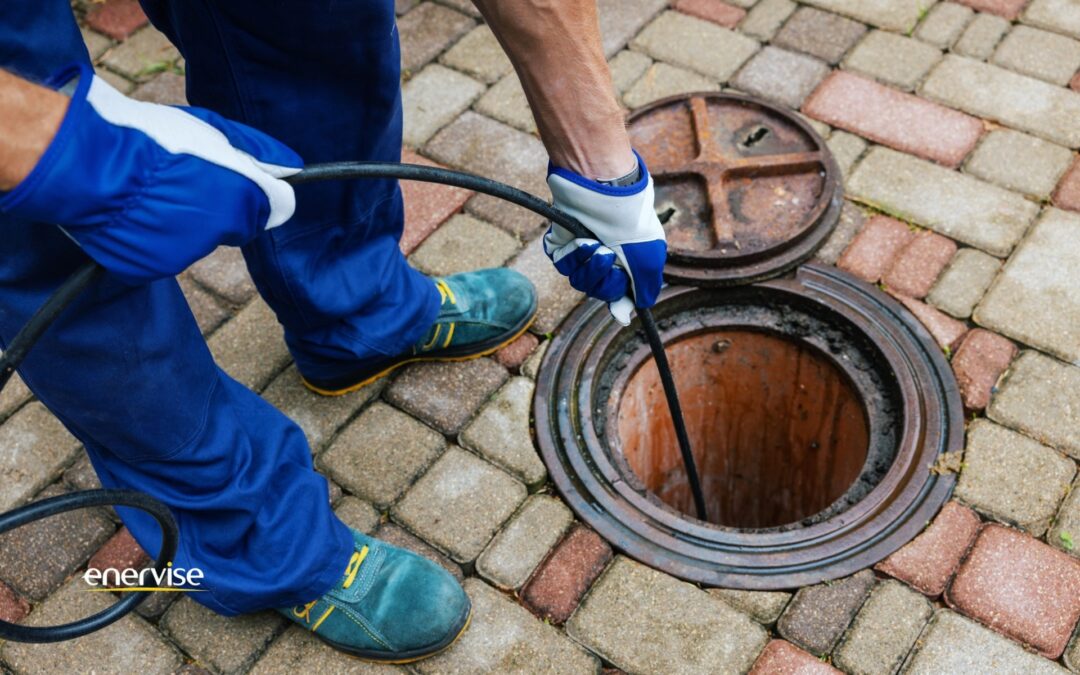
The manufacturing economy in Dayton, Ohio, depends on reliable infrastructure, including well-functioning drainage and sewer systems. Hydro-jetting can help with this.
Plants involved in heavy industry, food processing, and large-scale production generate wastewater that carries oils, grease, chemicals, and solid debris. Over time, this heavy buildup restricts flow and increases the risk of backups or flooding.
Traditional methods such as plunging or snaking may clear a clogged pipe of minor blockages, but they fall short in large, complex industrial systems. Hydro-jetting is a more effective solution for manufacturers who cannot afford downtime.
What Is Hydro-Jetting and How Does It Work?
Hydro-jetting is a process that directs highly pressurized water through specialized nozzles and hose attachments into drain and sewer lines. With pressure strong enough to cut through grease, mineral scale, and hardened debris, hydro-jet drain cleaning restores the pipe’s full diameter rather than simply punching a hole through the blockage.
The service is suitable for a wide range of pipe sizes used in industrial facilities. Due to the specialized equipment and high-pressure hydro-jetting equipment required—often producing a powerful blast reaching thousands of pounds per square inch (PSI)—hydro-jetting requires professional plumbers and trained technicians to ensure safe and effective results.
Benefits of Hydro-Jet Drain Cleaning for Industrial and Food Processing Plants
Hydro-jet drain cleaning delivers clear advantages over mechanical methods. Hydro-jetting benefits are listed below:
- Complete cleaning: The high-pressure stream scours the entire plumbing system, not just the center, removing grease, sludge, mineral scale, and hardened debris. This thorough approach helps drains run like new and prevents recurring frequent clogs.
- Safety & compliance: Food processing plants must meet strict FDA and USDA hygiene requirements. Hydro-jet drain cleaning eliminates buildup that can trap bacteria and compromise sanitation, lowering the risk of contamination incidents and fines.
- Noninvasive processes: Traditional tools or liquid drain cleaners can scrape, break, or damage older pipes. Hydro-jetting uses only water, making it a viable option for delicate piping systems and extending the life of the infrastructure.
- Efficient operations: Cleaning can be completed quickly, restoring full drainage capacity with minimal disruption, allowing production lines to stay on schedule.
- Sustainable methods: Hydro-jetting relies on water rather than harsh chemicals, supporting wastewater discharge permits and reducing waste and environmental impact.
- Cost savings: By preventing blockages and damage, hydro-jetting reduces emergency repair costs, avoids unplanned shutdowns, and helps facilities extend the life of their existing systems. The hydro-jetting cost depends on several factors, such as pipe length, buildup, and accessibility, but it’s far less than the financial impact of a shutdown.
How Hydro-Jetting Prevents Costly Shutdowns
Unplanned downtime in manufacturing plants can cost thousands of dollars per hour in lost production. Drain buildup often begins with slow flow but can quickly escalate into complete backups, floor flooding, or equipment damage. For food processors, poor drain performance increases the risk of contamination incidents and regulatory fines.
Hydro-jetting in Dayton facilities eliminates these risks by removing blockages before they escalate into critical failures. By scheduling hydro-jet drain cleaning as part of a preventive program, manufacturers avoid last-minute emergency calls and gain better control over maintenance budgets.
Best Practices for Scheduled Maintenance
The best way to get consistent results from hydro-jetting is to make it part of a structured maintenance plan:
- Inspection first: Video inspection identifies buildup, cracks, or problem spots in the pipes, ensuring hydro-jetting work is targeted where it’s needed most to reduce unnecessary work and minimize the risk of pipe damage.
- Set the right frequency: Heavy manufacturing facilities may require quarterly or semiannual cleaning due to high sludge or sewage loads. Food and beverage plants typically only need monthly to quarterly commercial drain cleaning based on grease and oil accumulation. Setting the right frequency for hydro-jet drain cleaning in your Dayton facility helps prevent future clogs from becoming major issues and decreases the risk of downtime and emergency repairs.
- Integrate hydro-jetting with other maintenance programs & schedules: Hydro-jetting should be scheduled alongside HVAC servicing, equipment inspections, and safety system checks for a streamlined maintenance approach. Coordinating all efforts reduces production disruptions and ensures all systems are addressed efficiently.
- Keep detailed records: Documenting each hydro-jetting service supports compliance audits, maintains warranties, and tracks system performance. Accurate records help identify recurring issues, the root cause of frequent clogs, and ensure transparency for regulatory requirements.
- Schedule strategically: Coordinate hydro-jet cleaning during planned maintenance shutdowns or low-production windows to minimize disruption. This planning saves on after-hours costs, allows for post-cleaning verification, and confirms systems are fully cleared before operations ramp up.
FAQs
Why is hydro-jetting better than snaking in industrial systems?
Snaking only clears a path through blockages, whereas hydro-jetting cleans the entire pipe wall, reducing the chance of recurrence. It’s also more effective for large-diameter pipes, mainline systems, and long line runs that are common in manufacturing.
What’s the difference between hydro-jetting and regular drain cleaning?
Regular drain cleaning methods, such as plunging, snaking, or using liquid drain cleaners, often clear only a small section of a blockage, leaving debris behind. Hydro-jetting thoroughly cleans the entire pipe, removing all debris and buildup, which reduces the risk of recurring blockages.
Can hydro-jetting be used on all types of pipes?
Hydro-jetting is a versatile technique that can be used on most types of pipes, including PVC, steel, and cast iron. However, it’s essential to have a plumber assess the condition of older pipes to ensure safe and effective service.
Is hydro-jetting safe for my plumbing system?
When performed by professional plumbers, hydro-jetting is safe for plumbing systems. It is designed to be gentle on pipes while still providing powerful cleaning. However, improper use on already damaged or weak pipes can cause issues, so it’s important to have an expert evaluate your system beforehand.
How long does a hydro-jetting service take?
The time needed for hydro-jetting depends on the size of the system and the level of buildup in the pipes. Typically, services range from one hour to a few hours, with minimal disruption to operations.
Can hydro-jetting reduce emergency calls?
Yes. Proactive hydro-jetting reduces the risk of sudden blockages, flooding, toilet backups, and shutdowns. Facilities on a regular hydro-jetting maintenance plan report fewer after-hours emergency calls, saving time and money.
How does hydro-jetting impact the environment?
Hydro-jetting is an environmentally friendly solution because it uses only water to clean pipes. Unlike chemical cleaners, it doesn’t introduce harmful substances into wastewater systems, making it a more sustainable choice for manufacturing companies.
Reliable Hydro-Jetting Services in Dayton
Many manufacturing facilities in Dayton face unique drainage challenges that require specialized expertise. Enervise provides hydro-jetting and other services in Dayton and the surrounding areas.
By including hydro-jet drain cleaning as part of a regular maintenance program, manufacturers reduce risk, protect compliance, and maintain the reliability their operations demand. Contact Enervise in Dayton, a trusted service provider, to schedule hydro-jetting services or design a recurring maintenance plan for your facility.


