
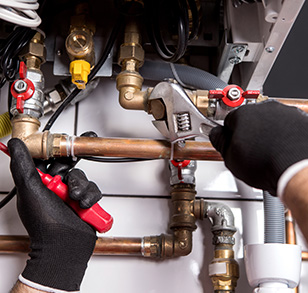
Georgetown office buildings include a mix of aging office parks and newer commercial developments, resulting in HVAC and plumbing systems that vary widely in condition and complexity. From traditional business centers to modern facilities serving the growing local economy, each property faces unique maintenance challenges.
Central Kentucky’s winters bring real pipe freeze risks, occasional snowfall, and unpredictable temperature swings that strain building systems. Winter temperatures typically drop to the mid-20s, with cold snaps occasionally pushing into the teens. The region receives an average of 10 inches of snowfall annually, creating perfect scenarios for system failures when buildings are least prepared.
Early fall HVAC and plumbing inspections can prevent cold-weather failures, reduce energy waste, and ensure compliance with building codes and tenant comfort standards. Proactive maintenance protects your investment while avoiding costly emergency repairs.
Here’s why preparing your Georgetown office building before winter hits makes all the difference.
Why Winter Creates Unique Risks for Georgetown Office Buildings
Central Kentucky experiences a humid subtropical climate, which means Georgetown office buildings face distinct winter challenges. Cold snaps can drop temperatures from the 40s into the 20s within 24 hours, creating sudden strain on heating systems that have been idle for months. These rapid temperature drops don’t give building managers time to identify weaknesses before they become failures.
Freeze-thaw cycles are particularly problematic in this region. Water expands when it freezes, and even small amounts of moisture in pipes, drainage systems, or HVAC condensate lines can cause cracks and ruptures. Georgetown plumbing systems in older buildings face a heightened risk because legacy infrastructure often lacks modern freeze-protection features.
Aging infrastructure in older Georgetown office parks compounds these problems. Many buildings were constructed decades ago with minimal pipe insulation, outdated HVAC controls, and heating systems designed for a different era of building operations. These older systems are less efficient, more prone to component failure, and often lack the redundancy that newer buildings incorporate. Boilers, furnaces, and water heaters that have provided reliable service for years can suddenly fail when pushed to operate continuously during extended cold periods.
Local snowfall averages around 10 inches per year, typically arriving in multiple smaller events rather than one major storm. While this amount may seem modest, even moderate snow accumulation can overwhelm poorly maintained drainage and sump pump systems. Melting snow combined with winter rainfall can saturate drainage basins, flood mechanical rooms, and create ice dams that damage roofing and exterior walls. Clogged gutters and downspouts worsen these issues by directing water toward foundations and entry points.
These winter risks translate directly into business impact. Tenant and employee complaints about comfort rise sharply when heating systems fail or operate inefficiently. Building downtime for emergency repairs disrupts operations, forces temporary space relocations, and creates liability concerns. Emergency service calls during peak winter demand come with premium pricing, extended wait times, and limited technician availability. A Georgetown HVAC system failure in January costs far more than preventive maintenance completed in October.
Essential HVAC Inspections for Winter Readiness
Boiler and Furnace Inspections
Comprehensive boiler and furnace inspections are the foundation of winter preparedness. Technicians must verify that the heat output meets design specifications, ensuring the system can maintain comfortable temperatures even on the coldest nights. Ignition reliability checks confirm that systems start consistently without delays or false starts that frustrate occupants. Burner performance evaluations identify issues with flame quality, combustion efficiency, and fuel consumption that drive up utility costs.
Ventilation safety is critical for Georgetown HVAC systems. Carbon monoxide risks, improper exhaust venting, and blocked air intakes can create dangerous conditions. Older systems in historic or legacy buildings require particular attention because they often run extended hours during winter, exposing weaknesses that regular seasonal operation wouldn’t reveal.
Thermostat and Control Tune-Ups
Modern building automation systems provide precise climate control, but only when properly calibrated. HVAC inspection services should calibrate thermostats and BAS systems to improve heating accuracy and efficiency. Even minor calibration errors can result in temperature fluctuations of several degrees, causing both comfort complaints and energy waste.
Malfunctioning sensors are common culprits behind poor HVAC performance. Temperature sensors that read incorrectly cause systems to over-cycle or under-perform. Humidity sensors that fail can lead to indoor air quality problems. Occupancy sensors that stick or malfunction waste energy by heating unoccupied spaces. Georgetown office buildings benefit significantly from sensor validation as part of comprehensive plumbing inspection and HVAC prep programs.
Fall Filter Replacements
Clogged filters are one of the most common yet preventable causes of heating system stress. Dirty filters restrict airflow, forcing blowers to work harder and reducing system efficiency by up to 15 percent. This extra strain increases wear on motors and belts while driving up energy consumption—poor indoor air quality results from inadequate filtration, affecting tenant health and productivity.
Top HVAC Inspection Tasks for Early Fall:
- Verify boiler and furnace heat output and combustion efficiency.
- Test ignition systems for reliability and safety.
- Inspect and clean burners, heat exchangers, and flue passages.
- Calibrate thermostats and building automation system controls.
- Replace or clean all air filters throughout the system.
- Check and adjust fan belts, motor bearings, and drive components.
- Verify ventilation safety and carbon monoxide protection.
- Test emergency shutdown systems and safety controls.
- Inspect ductwork for leaks, damage, and proper insulation.
- Document system performance for future comparison.
Critical Plumbing Inspections Before Freezing Weather Arrives
Pipe Insulation and Freeze Protection
Georgetown plumbing systems require careful attention to freeze protection before winter arrives. Technicians should identify exposed or poorly insulated pipes in offices, crawl spaces, mechanical rooms, and exterior walls. These vulnerable points are where freeze damage typically begins. Pipes running through unheated areas face the highest risk, particularly those on north-facing walls or near loading docks where cold air can infiltrate.
Freeze risks increase dramatically in buildings with uneven heating or air leaks. Office spaces that are kept warm mask underlying problems in adjacent areas. A heated office may have comfortable temperatures while the wall cavity behind it drops below freezing. Air leaks around windows, doors, and penetrations allow cold air to reach pipes the building envelope should protect.
Drainage and Sump System Checks
Sump pumps, drainage basins, and downspout connections require inspection before winter weather arrives. These systems must handle not only winter rainfall but also snowmelt, which can cause sudden increases in water volume that exceed normal drainage capacity. Clogged drains that merely back up slowly in summer can cause flooding when combined with frozen ground and rapid temperature changes.
Central Kentucky experiences periodic heavy rainfall throughout winter, which can overwhelm clogged drainage systems. A December rainstorm on frozen or saturated ground has nowhere to go except into building foundations and mechanical rooms. Proactive drainage maintenance helps prevent water damage that can cost thousands in repairs and business interruption.
Leak Detection and Pressure Testing
Small leaks that go unnoticed during mild weather develop dramatically during freezing conditions. Water seeping from a minor joint leak can freeze, expand, and transform a minor problem into a major rupture. Plumbing inspection programs should include pressure testing to detect these hidden weaknesses before winter stress exposes them.
Water pressure inconsistencies are widespread in older Georgetown properties. Buildings constructed decades ago often have mixed piping materials, galvanized steel that has corroded internally, and undersized supply lines that struggle under peak demand. These pressure issues worsen in winter when water systems work harder and frozen sections create unexpected pressure spikes elsewhere.
Critical Plumbing Inspection Tasks:
- Inspect all exposed pipes for insulation adequacy.
- Identify vulnerable areas in crawl spaces and mechanical rooms.
- Test freeze protection systems, including heat tape and pipe warming.
- Clear and test all drainage systems, sump pumps, and backup systems.
- Inspect downspouts and ensure they divert water away from foundations.
- Perform pressure testing to detect hidden leaks.
- Evaluate the consistency of water pressure throughout the building.
- Check water heater operation, temperature settings, and safety devices.
- Inspect backflow preventers and ensure they are properly winterized.
- Document all vulnerable areas for ongoing monitoring.
How Fall Inspections Improve Winter Energy Efficiency
Early inspections catch failing components before they cause inefficient heating cycles. Motors with worn bearings, belts that have stretched beyond proper tension, and circulators that have developed air pockets all reduce system efficiency and increase energy consumption. Replacing them during planned maintenance windows costs less than emergency replacement and immediately improves energy performance.
Proper insulation, clean filters, and calibrated thermostats reduce energy consumption during peak winter load periods. A well-maintained system in Georgetown might use 15 to 20 percent less energy than an identical neglected system in the same building. In commercial spaces, maintaining HVAC and plumbing systems is especially important to ensure operational efficiency and safety. Businesses in Central Kentucky often see measurably lower utility bills when HVAC systems run efficiently during continuous winter heating.
Proactive inspections allow repairs during planned downtime, avoiding peak-season emergency surcharges. HVAC prep in Georgetown costs significantly less when scheduled in October than when handled as an emergency in January. Emergency service rates during winter storms or holiday weekends can exceed normal rates by 50 percent or more.
Best Time to Schedule Winter HVAC and Plumbing Inspections
Late September through early November represents the ideal window for winter preparation inspections. This timing provides adequate lead time to identify problems, order parts, and complete repairs before freezing conditions arrive. Most Georgetown buildings have completed their cooling season by late September, making HVAC systems accessible without disrupting climate control.
This timing fits Central Kentucky’s weather pattern perfectly. The region typically experiences warm days through October, often with temperatures in the 60s and 70s. Then, sudden temperature drops can arrive in November, sometimes catching buildings unprepared. Completing inspections in early fall ensures systems are ready when the first hard freeze occurs, typically between mid-November and early December.
Faster turnaround, better availability, and cost savings distinguish early scheduling from mid-winter emergency calls. Companies have full crews available in the fall, unlike during the winter peak season, when resources are stretched. They can order parts without expedited charges. They can schedule work around building operations rather than forcing a compromise. Property managers who plan accordingly avoid the stress of crisis management during their busiest operational periods.
Multi-building office campuses should stagger inspections to avoid operational disruption. Scheduling all buildings simultaneously can overwhelm contractor resources and create unnecessary risk if problems are discovered. A phased approach enables maintenance teams to focus on each property, ensures adequate parts inventory for discovered issues, and spreads costs across multiple budget periods if needed.
Choosing a Georgetown HVAC and Plumbing Partner for Winter Prep
Office property managers should look for specific qualifications when selecting service providers. Licensed plumbers and experienced HVAC technicians familiar with Georgetown’s building layouts bring valuable local knowledge. Fortunately, many plumbing companies in Georgetown are licensed and insured, providing peace of mind for Georgetown customers. They understand which office parks have recurring issues, which building vintages present specific challenges, and how local weather patterns affect different property types.
Service providers must demonstrate the ability to inspect and service both modern systems and aging infrastructure. Many Georgetown office buildings contain a mix of equipment vintages, from legacy boilers installed in the 1980s to modern high-efficiency rooftop units. Technicians need training across multiple equipment types and manufacturers to properly evaluate these diverse systems.
Comprehensive service capabilities reduce coordination headaches and improve efficiency. Providers who handle drain cleaning, sump checks, HVAC control calibration, and piping assessments eliminate the need to manage multiple contractors. Single-source responsibility means greater transparency, clearer accountability, and coordinated scheduling.
Enervise brings specialized expertise in serving Central Kentucky’s commercial and office buildings. Our technicians understand the unique challenges Georgetown properties face, from freeze protection in older buildings to optimizing modern building automation systems. We provide comprehensive HVAC inspection and plumbing inspection services specifically designed for commercial facilities.
The value of a single provider who handles both Georgetown plumbing and HVAC prep extends beyond convenience. Integrated maintenance programs identify interactions between systems that contractors working separately might miss. Plumbing leaks that affect HVAC performance, drainage issues that threaten equipment rooms, and building envelope problems that strain both systems become visible when one team evaluates the complete facility.
FAQs
What risks increase for office buildings during fall and early winter in Central Kentucky?
Pipe freeze risks increase significantly as temperatures drop into the 20s, particularly during rapid cold snaps. Freeze-thaw cycles can crack pipes and damage drainage systems. HVAC systems that have been idle face startup challenges and may fail when pushed to continuous operation during sustained cold periods.
How can HVAC and plumbing inspections improve winter energy efficiency?
Inspections identify inefficient components, such as worn motors, stretched belts, and dirty filters, that waste energy while reducing heat output. Calibrated controls and properly maintained systems can reduce energy consumption by 15 to 20 percent compared to neglected equipment, resulting in lower utility bills during peak winter months.
When is the best time to schedule winter prep inspections in Georgetown?
Late September through early November is ideal for winter preparation. This timing provides adequate lead time before freezing weather arrives, ensures better contractor availability, and allows repairs during planned downtime rather than emergencies with premium pricing.
Will inspections help prevent frozen pipes and drainage backups?
Yes. Inspections identify vulnerable pipes that lack proper insulation, drainage systems with blockages, and sump pumps that may fail under load. Addressing these issues before winter reduces the risk of freeze damage and flooding, which can lead to expensive repairs and business disruption.
What’s included in a winter HVAC and plumbing inspection for commercial properties?
Comprehensive inspections cover boiler and furnace performance, thermostat calibration, filter replacement, pipe insulation evaluation, drainage system testing, leak detection, pressure testing, and safety system verification. Detailed reports document current conditions and recommend necessary repairs to ensure reliable winter operation.
Winter Preparation Protects Your Building and Your Budget
Early fall inspections can prevent freeze damage, heating failures, drainage issues, and compliance risks that threaten building operations. The modest investment in preventive maintenance delivers substantial returns by avoiding emergency repairs, reducing energy consumption, extending equipment life, and ensuring uninterrupted building operations.
The long-term financial value of proactive maintenance for office buildings in Georgetown compounds over time. Buildings with consistent maintenance programs experience fewer unexpected failures, maintain higher property values, attract and retain better tenants, and operate more efficiently year after year. Property managers who invest in prevention spend less on building life cycles than those who operate reactively.
Schedule your winter HVAC and plumbing inspection with Enervise’s Georgetown team today. Our experienced technicians provide comprehensive evaluations, honest assessments, and dependable service that keeps your building operating efficiently through Central Kentucky’s winter weather.


