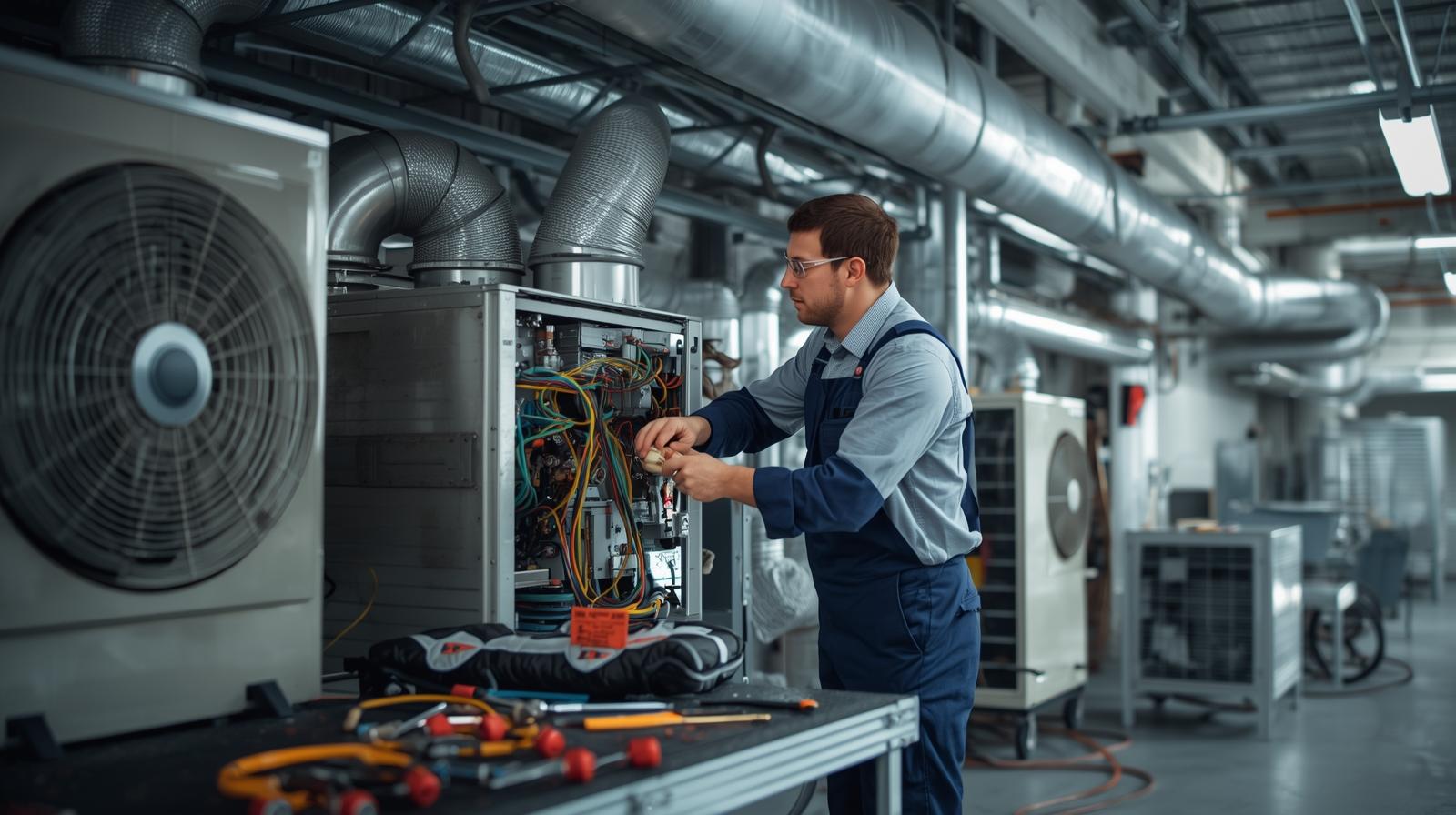
Cincinnati is making significant strides toward energy efficiency, with the Cincinnati 2030 District leading the charge to reduce building energy use by 50% by 2030. This ambitious goal reflects a growing commitment to sustainability across the region. However, many commercial buildings in historic areas like Over-the-Rhine and the Central Business District still rely on aging HVAC systems that weren’t designed to meet today’s energy and monitoring demands.
For property managers and building owners, smart HVAC Cincinnati upgrades offer a practical path forward. These technologies can dramatically cut energy use, improve system reliability, and reduce the frequency of emergency service calls. By integrating intelligent controls and monitoring capabilities into existing infrastructure, buildings can achieve measurable improvements without the cost and disruption of a full equipment replacement.
Here’s how smart HVAC technology helps Cincinnati buildings operate more efficiently and cost-effectively.
What Qualifies as a Smart HVAC System
A smart HVAC system uses sensors, controls, and data analytics to optimize performance automatically. Unlike traditional HVAC equipment that relies on manual scheduling and reactive service, smart systems continuously monitor conditions and make real-time adjustments to maintain comfort while minimizing waste.
At the core of these smart HVAC systems are three essential capabilities:
- Real-time monitoring that tracks performance metrics
- Automated adjustments that respond to changing conditions
- Performance analytics that reveal patterns and opportunities for improvement.
For Cincinnati building owners working toward the 2030 District goals, adopting smart HVAC Cincinnati solutions represents a strategic alignment with broader energy-reduction and sustainability objectives.
Key Components of a Smart HVAC System
Understanding the building blocks of a smart HVAC system helps property managers make informed upgrade decisions. These are the primary components and their functions:
- Smart thermostats and zone controls: Enable precise temperature management for different areas of a building, reducing energy waste in unoccupied or low-traffic zones
- Building automation systems (BAS): Serve as the central hub that integrates and coordinates all HVAC controls, lighting, and other building systems for optimal efficiency
- Demand-controlled ventilation (DCV): Adjusts fresh air intake based on actual occupancy levels rather than operating at maximum capacity regardless of need
- Sensors for occupancy, temperature, and air quality: Provide the real-time data that allows systems to respond intelligently to current conditions
- Remote monitoring and alert systems: Track system performance continuously and notify facility managers of potential issues before they escalate into costly failures
Benefits of Smart HVAC Upgrades for Cincinnati Buildings
The advantages of commercial HVAC upgrades extend well beyond simple energy savings. Remote monitoring capabilities detect developing issues before they cause complete system failures, allowing maintenance teams to address problems during scheduled service rather than responding to emergency breakdowns at inconvenient times.
Optimized heating and cooling schedules based on actual building usage patterns can significantly reduce energy consumption. This is particularly valuable in multi-tenant buildings where different spaces have varying occupancy schedules. Proactive alerts and diagnostics lead to fewer emergency service calls, reducing both maintenance costs and tenant disruptions.
Perhaps most importantly for building occupants, smart systems deliver improved comfort through more consistent temperatures and better air quality management. These benefits are especially valuable in older downtown Cincinnati buildings, where legacy systems often struggle to maintain uniform conditions across multiple floors or zones. Smart upgrades support reliable HVAC systems without requiring full equipment replacement, making them an attractive option for properties with limited budgets.
Common Smart HVAC Upgrade Options
Property managers don’t need to replace entire HVAC systems to gain smart functionality. Several targeted upgrade options deliver substantial improvements:
- Smart thermostat installation for improved scheduling and zone control, allowing different areas to be managed independently
- Demand-controlled ventilation to adjust fresh air based on actual occupancy, reducing the energy spent conditioning outdoor air when buildings are partially occupied
- Building automation integration for centralized system management that coordinates HVAC with other building systems
- Upgrading controls on existing HVAC equipment rather than replacing entire units, extending the useful life of functioning mechanical systems
These upgrade approaches are often ideal for retrofitting older Cincinnati commercial buildings, where the bones of the HVAC system may still be sound even if the controls are outdated. By focusing investments on intelligence and automation rather than wholesale replacement, building owners can achieve HVAC energy-efficiency goals while preserving capital for other needs.
Assessing ROI for Smart HVAC Investments
Return on investment for smart HVAC upgrades comes from multiple sources. Energy savings typically provide the most visible return, with reduced utility bills appearing immediately after implementation. However, the financial benefits extend to reduced service calls, as predictive maintenance replaces reactive repairs, and longer equipment life, as systems run more efficiently and experience less wear.
Real-time data helps property managers measure performance improvements objectively. Instead of estimating savings, building automation systems provide concrete metrics on energy consumption, runtime hours, and system efficiency. Many Cincinnati buildings see faster returns when smart upgrades are paired with existing HVAC retrofits, as the combined improvements deliver compounding benefits.
The most successful implementations tie ROI discussions to long-term operational planning rather than short-term cost-cutting. While the immediate savings are welcome, the real value emerges over years of more efficient operation, fewer disruptions, and better-informed capital planning.
Incentives and Programs Supporting HVAC Upgrades in Cincinnati
Local and regional incentives tied to energy efficiency improvements can significantly offset the upfront costs of smart HVAC upgrades. Various utility programs, state initiatives, and federal tax incentives reward buildings that invest in efficiency technologies.
Participation in initiatives like the Cincinnati 2030 District can support both planning and benchmarking efforts. These programs often provide technical resources, peer networking opportunities, and frameworks for measuring progress toward efficiency goals.
Property managers should work with professional HVAC service providers who understand available incentives and documentation requirements. Navigating the application process and ensuring proper documentation can mean the difference between capturing available funding and leaving money on the table.
Is Your Building a Good Candidate for Smart HVAC Upgrades?
Not every building requires the same level of smart HVAC investment, but certain factors indicate strong potential for measurable returns:
- Older systems with outdated controls: If your building still relies on pneumatic controls or simple timers, smart upgrades will deliver dramatic improvements
- High energy consumption or inconsistent comfort complaints: These symptoms often indicate inefficient operation that smart controls can address
- Multiple zones or tenants requiring flexible control: Buildings with diverse occupancy patterns benefit most from intelligent, adaptive HVAC management
- Plans for long-term ownership: The full benefits of smart systems accrue over years, making them ideal for owners with extended investment horizons
- Participation in sustainability initiatives: Buildings committed to measurable efficiency improvements need the data and control that smart systems provide
If your building exhibits several of these characteristics, a smart HVAC assessment can identify specific upgrade opportunities tailored to your property’s needs.
Choosing the Right Partner for Smart HVAC Upgrades in Cincinnati
Local expertise matters when upgrading HVAC systems in older Cincinnati buildings. The combination of historic architecture, varying building codes across different eras of construction, and the specific climate challenges of the Ohio River Valley requires experience that goes beyond generic automation knowledge.
Professional HVAC service teams experienced in both automation and retrofits understand how to integrate new technology with existing infrastructure. They can evaluate which components should be upgraded versus replaced, design control strategies that match actual building usage, and provide ongoing optimization as needs change.
Enervise brings this combination of capabilities to building automation projects in Cincinnati. As a trusted partner for smart HVAC upgrades and long-term system optimization, Enervise emphasizes collaboration, careful planning, and ongoing support over one-time installations. The goal isn’t just to install equipment but to create a partnership that continuously improves building performance.
FAQs
What components make up a smart HVAC system?
A smart HVAC system includes smart thermostats, sensors for occupancy and air quality, building automation systems, demand-controlled ventilation, and remote monitoring capabilities. These components work together to optimize performance automatically.
How much can Cincinnati commercial buildings save with energy-efficient HVAC upgrades?
Savings vary by building size and current efficiency, but many buildings see 20-30% reductions in HVAC-related energy costs. Actual savings depend on existing equipment condition, occupancy patterns, and how aggressively systems are optimized.
Are smart HVAC upgrades compatible with older HVAC equipment?
Yes, most smart controls can be retrofitted to existing equipment, extending its useful life. The focus is on upgrading the intelligence and automation rather than replacing functioning mechanical systems.
What incentives are available for HVAC retrofits in Cincinnati?
Incentives include utility rebate programs, state energy efficiency initiatives, and federal tax credits for qualifying improvements. A qualified HVAC provider can help identify and apply for available programs.
How long does it take to see ROI from smart HVAC upgrades?
Most buildings see positive returns within 2-5 years, with energy savings appearing immediately. Buildings with higher baseline energy use or more aggressive optimization typically see faster returns on investment.
Smarter HVAC Systems Support Cincinnati’s Energy and Cost Goals
Smart HVAC upgrades help commercial buildings reduce energy use, control operating costs, and improve system reliability. These aren’t just incremental improvements but fundamental changes in how buildings manage one of their largest operating expenses. By leveraging intelligent controls, real-time monitoring, and data-driven optimization, Cincinnati properties can achieve performance levels that were impossible with traditional HVAC equipment.
These upgrades align perfectly with Cincinnati’s broader sustainability and efficiency initiatives. As the 2030 District and similar programs push toward ambitious reduction targets, smart HVAC technology provides the tools and visibility needed to meet those goals while maintaining occupant comfort.
Schedule a smart HVAC assessment with Enervise of Cincinnati to identify upgrade opportunities that deliver measurable results. Our team will evaluate your current systems, recommend targeted improvements, and develop a roadmap aligned with your operational and financial goals.