Columbus winters in Ohio are no small challenge. Temperatures regularly dip below freezing from December through early March, keeping commercial HVAC systems in sustained heating mode for months at a time. When spring finally arrives, those same systems must shift gears entirely, moving from heat distribution to cooling and dehumidification before the first scorching weeks of summer.
This sudden transition is one of the most demanding periods for any commercial HVAC system. Components that spent months focused on heating now need to cool and dehumidify efficiently. Without proper preparation, that shift results in poor performance, unexpected failures, and costly emergency calls during the weeks you can least afford it.
Spring is the best time to get ahead of any mechanical surprises. Here is what commercial building operators in Columbus should address before the cooling season begins.
Key Takeaways
- The spring transition from heating to cooling is one of the most mechanically demanding periods for commercial HVAC systems, and the most likely time for dormant problems to surface.
- Essential spring maintenance tasks include filter replacement, condenser and evaporator coil cleaning, refrigerant charge verification, and thermostat recalibration for cooling-season setpoints.
- A spring inspection also catches early warning signs in belts, motors, electrical connections, and condensate drains before they become emergencies.
- Buildings that complete spring preparation run more efficiently all summer—lower energy costs, fewer hot spots, and reduced equipment wear.
- The best scheduling window for Columbus commercial buildings is mid-March through late April. Waiting until May means potential unavailability and less lead time if replacement parts are needed.
Why the Seasonal Switch Is Hard on Commercial HVAC Systems
Commercial HVAC systems work in fundamentally different ways depending on whether they are heating or cooling. Switching between those modes puts mechanical stress on components that may have accumulated wear, corrosion, or debris while they were idle.
Cooling-specific components, including condenser coils, evaporator coils, and refrigerant circuits, sit dormant through most of the winter. Filters that manage heating-season dust loads can be heavily loaded by the time cooling starts. Thermostat and control settings configured for heating setpoints require recalibration for summer schedules. Motors, belts, and electrical contacts wear differently under cooling loads than under heating operation.
When a facility skips spring preparation and simply switches on the cooling for the first time, problems tend to appear. Often, it is on the first balmy day when the building is fully occupied, and demand is at its peak.
Key Spring HVAC Maintenance Tasks for Columbus Buildings
A thorough spring inspection and service work through each element of the cooling readiness process.
Filter Replacement
Commercial air filters loaded with winter particulates restrict airflow to cooling coils, reduce system output, and degrade indoor air quality. Replace filters before the first cooling run of the season. For high-occupancy buildings or facilities with sensitive operations such as healthcare or laboratory spaces, check filter conditions monthly through the summer.
Coil Cleaning
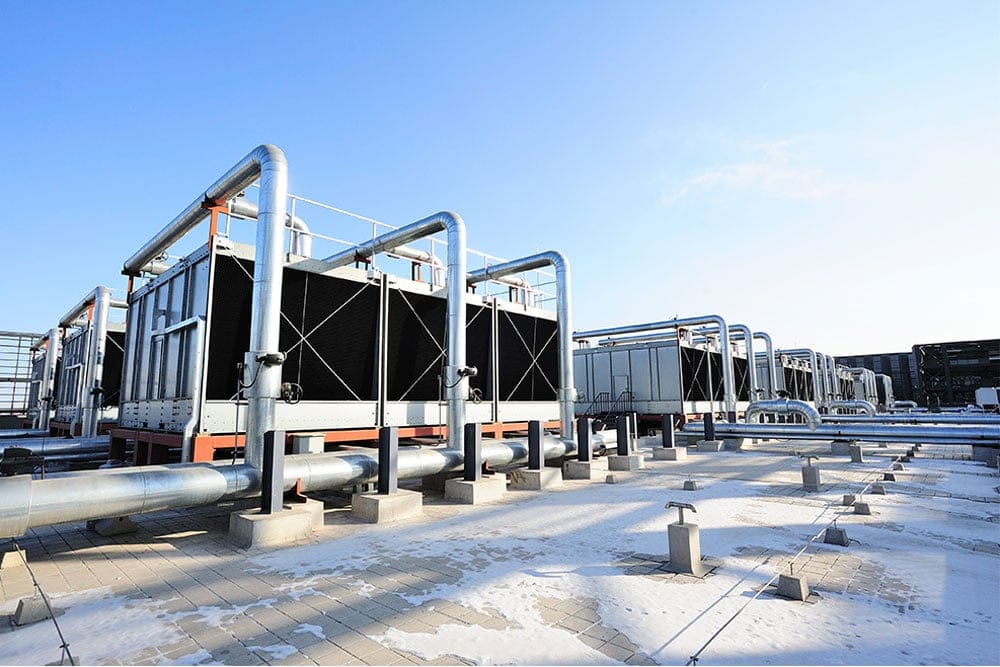
Condenser coils and evaporator coils need cleaning before the cooling season begins. Condenser coils located in outdoor units accumulate debris, pollen, and residue from winter weather. Dirty condenser coils reduce heat rejection and force compressors to work harder, which shortens equipment life and increases energy costs. Evaporator coils inside air handlers accumulate dust that blocks airflow and reduces cooling capacity. Both require professional cleaning, not just rinsing.
Refrigerant Check
Cooling systems lose refrigerant capacity through small leaks that develop over time. Low refrigerant levels reduce cooling output, increase compressor wear, and eventually cause system failure. A spring refrigerant check confirms charge levels are correct and enables technicians to identify and repair leaks before they become critical. Refrigerant handling requires EPA-certified technicians and is not a task for building maintenance staff.
Thermostat and Controls Calibration
Building automation systems and thermostats configured for heating setpoints need recalibration for cooling-season schedules. This step includes verifying that the cooling mode activates correctly, the economizer controls function properly, and the temperature sensors read accurately. Miscalibrated controls cause systems to run longer than necessary, wasting energy and increasing component wear.
What a Preventive Inspection Catches Early
Beyond the standard maintenance tasks, a comprehensive spring commercial HVAC inspection covers the mechanical and electrical components that wear over time.
Worn belts on air handlers and blowers can fail under summer load, cutting off cooling to entire floors or zones. Identifying and replacing a frayed belt in April costs a fraction of an emergency service call in July. Failing motors show warning signs, including elevated amperage draw, unusual noise, or heat buildup, that a trained technician can identify before the motor fails.
Electrical connections on contactors, relays, and disconnect switches can loosen or corrode over the winter, creating resistance that generates heat and eventually causes component failures. An inspection checks for loose connections, signs of arcing, and pitted or burned contacts.
Drain pans and condensate drain lines also need attention before the cooling season. Blocked drains cause water to overflow into ceilings or walls, creating moisture damage and mold risk. It is a common spring maintenance finding and takes only a few minutes to clear when caught early, versus serious building damage when it is not.
How Spring Preparation Improves Efficiency All Summer
Columbus commercial buildings spend more on HVAC energy in July and August than in almost any other two-month stretch. A properly prepared system runs more efficiently than one that went into the season without service.
Clean coils transfer heat more effectively, which means compressors run for shorter cycles to reach the setpoint. Correctly charged refrigerant systems do not work harder than the cooling load requires. Calibrated controls avoid the waste of a system running at the wrong setpoint or failing to switch modes correctly. Replaced filters maintain proper airflow throughout the summer rather than restricting it as they accumulate additional dust.
For a midsize commercial building, these efficiency gains result in measurable reductions in monthly utility costs and extend equipment life by reducing unnecessary run time and mechanical stress. The opposite is also true: buildings that skip spring maintenance typically see the effects by mid-summer, in the form of hot spots, rising energy bills, or system failures during the first extended heat wave.
Get Your Columbus Building Cooling-Ready This Spring
If your building is approaching the cooling season without a scheduled spring inspection, Enervise can help. Our commercial HVAC technicians serve Columbus facilities across healthcare, education, industrial, and commercial office sectors.
Contact Enervise to schedule your commercial HVAC cooling preparation service.
When Should Columbus Businesses Schedule HVAC Spring Maintenance?
The practical window for spring HVAC service in Columbus runs from mid-March through April. By May, temperatures can climb quickly, and scheduling availability tightens as the cooling season officially begins and contractors are booked solid.
For buildings with a maintenance agreement, spring service is already scheduled. For those without one, the straightforward advice is to book early in the year. Waiting until a warm week in late April often means scheduling delays and the risk of running equipment that has not been serviced.
Buildings with older equipment or a history of summer HVAC problems should prioritize scheduling even earlier. Systems that required frequent repairs last summer are more likely to need attention before the next season starts, and lead times on parts can increase if replacements are needed.
Frequently Asked Questions
Why is spring HVAC maintenance important for commercial buildings?
Commercial HVAC systems transition from heating to cooling in spring, and that shift puts stress on components that have been dormant or running in a different mode for months. Spring maintenance identifies worn or dirty components before they cause failures during peak cooling demand. It also sets systems up to run efficiently through the summer. Skipping maintenance typically results in higher energy costs, reduced cooling capacity, and a greater chance of emergency repairs during the hottest weeks of the year.
What should be included in a commercial HVAC cooling system inspection?
A thorough commercial HVAC inspection covers filter replacement, condenser and evaporator coil cleaning, refrigerant charge verification and leak checking, thermostat and controls calibration for cooling season, belt and motor inspection, electrical connection review, and condensate drain clearing. Depending on the building’s systems, it may also include testing economizers, checking variable-frequency drives, and verifying building automation setpoints for summer operation.
When should Columbus businesses schedule HVAC cooling maintenance?
The best window is mid-March through late April to give technicians time to address any findings before temperatures reliably reach the range where cooling is needed. By May, scheduling windows are tighter, and some equipment lead times for replacement parts increase. Building operators with older systems or prior summer HVAC issues should book as early as possible.
What problems occur when HVAC systems switch from heating to cooling?
Common issues include refrigerant leaks that developed over winter, clogged filters that restrict cooling airflow, dirty coils that reduce heat transfer, miscalibrated controls that do not switch modes correctly, belts or motors that fail under cooling operation loads, and blocked condensate drains that cause water overflow. Most of these issues are avoidable with a spring inspection. When they go unaddressed, they typically surface as poor cooling performance or outright system failures during the first extended heat of summer.
Schedule Your Commercial HVAC Spring Inspection in Columbus
Enervise has served Columbus commercial buildings since 1994. Our technicians work across healthcare facilities, educational campuses, industrial operations, and commercial office buildings throughout central Ohio.
Spring service books quickly each year. If your building needs a cooling preparation inspection, contact Enervise now to get on the schedule before the season starts.