A string of 90-degree days in July is not a good time to discover your rooftop unit has a refrigerant leak or that your cooling coils haven’t been cleaned since last fall. For commercial buildings in Cleveland, Akron, and Canton, summer doesn’t give much warning before it starts pushing HVAC systems to their limits.
The facilities teams that avoid mid-season breakdowns aren’t lucky. They schedule their HVAC services before the heat arrives.
Key Takeaways
- Northeast Ohio’s combination of mid-80s temperatures and Lake Erie humidity creates compounded cooling loads that amplify any system inefficiency during peak summer months.
- Pre-season maintenance must cover coil cleaning, refrigerant checks, filter replacement, electrical component inspection, airflow testing, thermostat calibration, and full rooftop unit inspection.
- Most mid-summer HVAC failures aren’t random. They’re deferred-maintenance issues (worn capacitors, low refrigerant, dirty coils) that are most apparent on the hottest days.
- The practical scheduling window for commercial buildings is April through mid-May; waiting until June means longer lead times and fewer available appointment slots.
- Multi-site facilities managers in Cleveland, Akron, and Canton should coordinate summer HVAC service in late winter or early spring, not reactively after the first heatwave.
What Makes Northeast Ohio Summers Hard on Commercial HVAC
Northeast Ohio sits in a region with significant summer humidity from Lake Erie. Daily temperatures routinely reach the mid- to upper 80s from late June through August, with humidity levels that make the heat index climb well above the actual air temperature.
For commercial buildings, that combination matters. Cooling systems aren’t just fighting heat. They’re simultaneously removing moisture from the air, too. A 50,000-square-foot office building in Akron on a humid July afternoon is putting a fundamentally different load on its HVAC than the same building on a dry spring day or crisp winter morning.
Compressors run longer, fan motors work harder, and any system inefficiency is amplified. A coil that’s running at 85 percent efficiency in April might drop to 70 percent when summer is in full swing. That’s the gap where energy costs climb, and equipment starts to fail.
Summer HVAC Maintenance: The Core Checklist for Commercial Buildings
Pre-season commercial HVAC maintenance covers a specific set of tasks. Each one targets a component that commonly causes problems during peak cooling demand.
Coil Cleaning
Evaporator and condenser coils collect dust, pollen, and debris throughout the heating season. Dirty coils restrict heat transfer, so the system works harder to deliver the same output. For large commercial systems, coil cleaning alone can meaningfully reduce energy consumption during the hottest months.
Refrigerant Checks
Low refrigerant is one of the more common causes of summer system failures in commercial buildings. The issue often doesn’t present obvious symptoms until the system is under sustained load. A refrigerant check in April or May catches a slow leak before it becomes a mid-July crisis.
Filter Replacement
Clogged filters restrict airflow and force air handlers to work harder, causing coil freeze-ups during high-demand periods. In commercial buildings with multiple air-handling units, filter replacement is often underestimated in terms of its overall impact on system performance.
System Testing and Thermostat Calibration
Running a complete system test before summer temperatures arrive confirms that each zone is reaching its setpoint, that controls are responding correctly, and that no surprises await when occupancy and heat loads increase simultaneously.
Airflow, Electrical, and Rooftop Unit Inspections
Beyond the core maintenance tasks, a complete pre-season inspection must account for the systems that move air, power the equipment, and are exposed on the roof. These three areas are where small issues quietly compound through the off-season and surface as failures the moment cooling demand is at its greatest.
Airflow and Ductwork
Duct leaks and blockages reduce delivery efficiency across the building. In commercial spaces with multiple zones, poor airflow distribution leads to hot spots that trigger occupant complaints and cause the system to run longer to compensate.
Electrical Components
Contactors, capacitors, and wiring connections degrade over time. Electrical faults are among the top causes of compressor failures during heatwaves, when systems run for extended periods without recovery time. An electrical inspection before summer identifies worn components that would otherwise fail under sustained load.
Rooftop Unit Performance
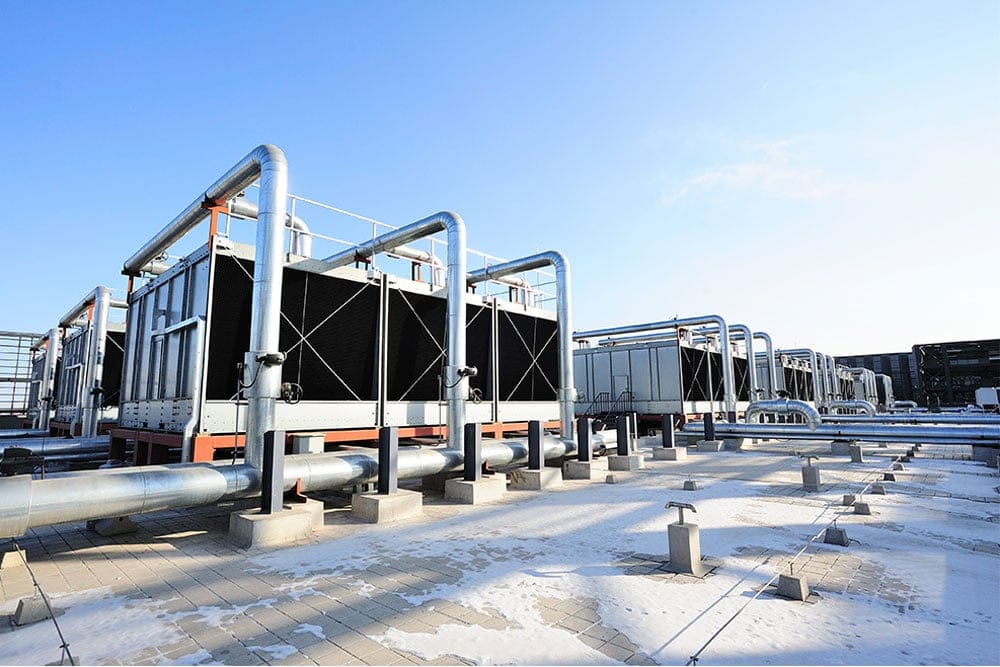
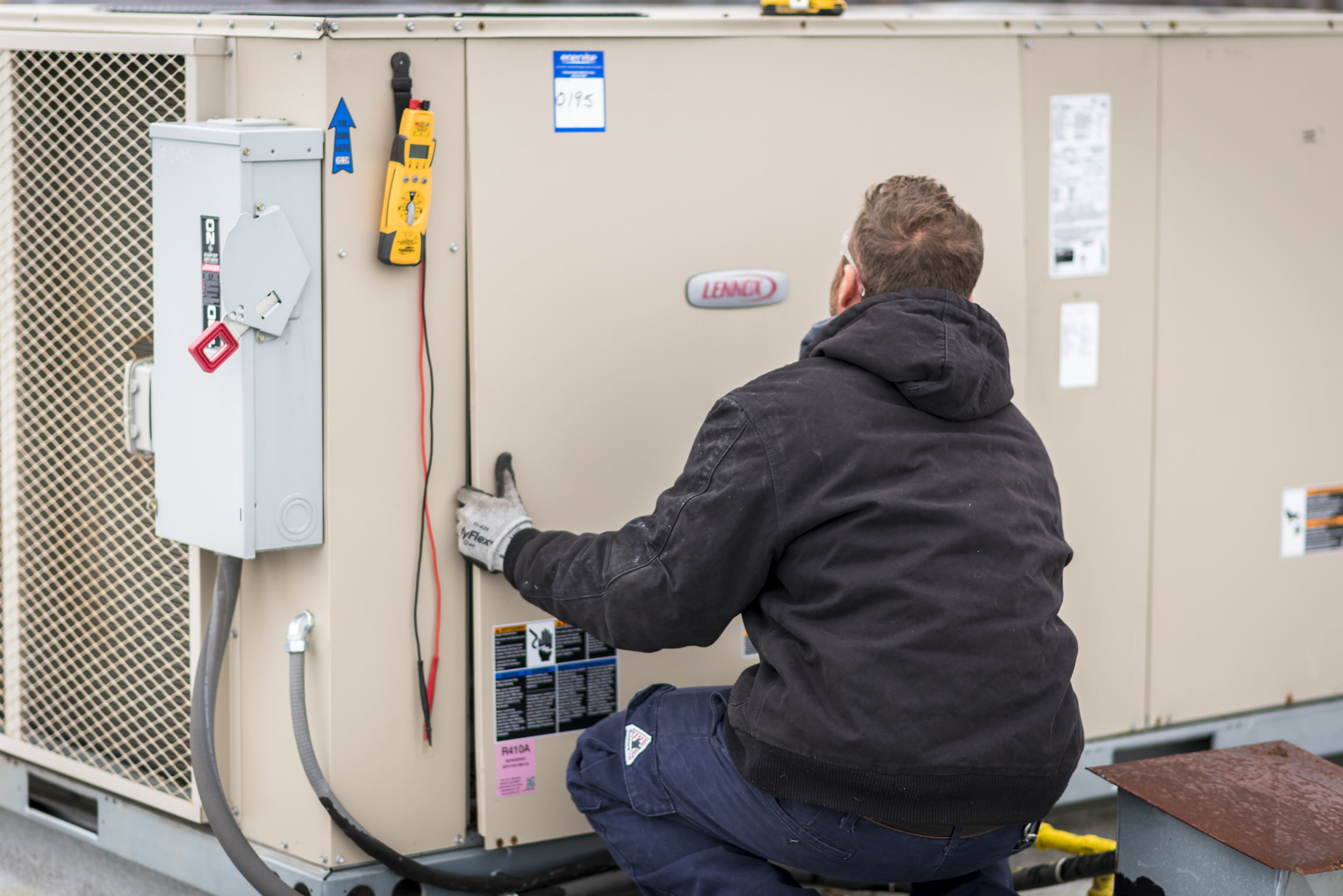
Commercial buildings across Cleveland, Akron, and Canton rely heavily on rooftop units. After an Ohio winter, rooftop units need a thorough inspection: fan blades, belts, drain pans, economizer dampers, and cabinet integrity all require attention before cooling season begins.
Scheduling commercial HVAC maintenance before summer is easier when you have a service partner who knows Northeast Ohio buildings. Contact Enervise to set up your pre-season inspection.
Why HVAC Systems Fail During Summer Heatwaves
Most mid-summer commercial HVAC failures aren’t random. They’re the result of deferred maintenance attempting to keep up with oppressive outdoor temperatures. A capacitor that was borderline in the spring holds on through mild June weather, then fails on the hottest day of July when the system hasn’t had a chance to cycle down.
Facilities teams that postpone maintenance often frame it as a cost-saving decision. In practice, economics works the other way. Emergency service calls cost more than scheduled maintenance. Temporary cooling solutions for a building with a failed HVAC system are more expensive. And the operational disruption of a system failure during a heatwave has its own downstream costs.
Pre-season maintenance isn’t about preventing every possible problem. It’s about removing the predictable ones before summer arrives.
When to Schedule HVAC Service in Northeast Ohio: Timing for Commercial Buildings
The practical window for pre-summer commercial HVAC maintenance in Northeast Ohio is April through mid-May.
Here’s why that window matters:
- Scheduling before Memorial Day gives service providers enough runway to order parts, address any follow-up repairs, and complete testing before temperatures climb.
- June is when demand for HVAC technicians starts to spike. Buildings that wait until June often face longer lead times and fewer available appointment windows.
- If your building has an annual service contract, confirm that your summer maintenance visit is already scheduled. If it isn’t on the calendar, it may not happen on the timeline you’re expecting.
For larger commercial portfolios in the Cleveland or Akron metro areas, coordinating service across multiple buildings requires lead time. Multi-site facilities managers should be planning their summer HVAC service schedule in late winter or early spring, not in response to the first hot week.
Frequently Asked Questions
When should commercial buildings schedule HVAC maintenance before summer?
The months of April through mid-May are the target window for commercial buildings in Northeast Ohio. Scheduling before Memorial Day weekend means technicians have time to address any issues before daily temperatures start pushing into the 80s and 90s.
How does humidity affect commercial cooling system performance?
High humidity forces cooling systems to work harder to remove moisture from the air, thereby lowering the air temperature. In large commercial buildings, this strain can significantly increase energy consumption and shorten equipment run cycles.
What maintenance should be done before the peak cooling season?
Key tasks include coil cleaning, refrigerant level checks, filter replacement, electrical component inspection, airflow testing, thermostat calibration, and a complete rooftop unit inspection for buildings with rooftop units.
Why do HVAC systems fail during summer heatwaves?
Most failures occur when components that are already degraded or dirty are pushed past their limits during sustained high-demand periods. Clogged coils, low refrigerant, worn capacitors, and failing contactors are the most common culprits.
Get Your Commercial HVAC Ready Before the Heat Hits
Northeast Ohio summers put real pressure on commercial cooling systems. The buildings that come through peak season without failures, emergency service calls, or operational disruptions are the ones that took care of maintenance in the spring.
Enervise provides commercial HVAC service across Northeast Ohio, including Cleveland, Akron, and Canton. If your pre-season maintenance isn’t scheduled yet, now is the time to get it on the calendar. Schedule your pre-summer commercial HVAC inspection with Enervise.