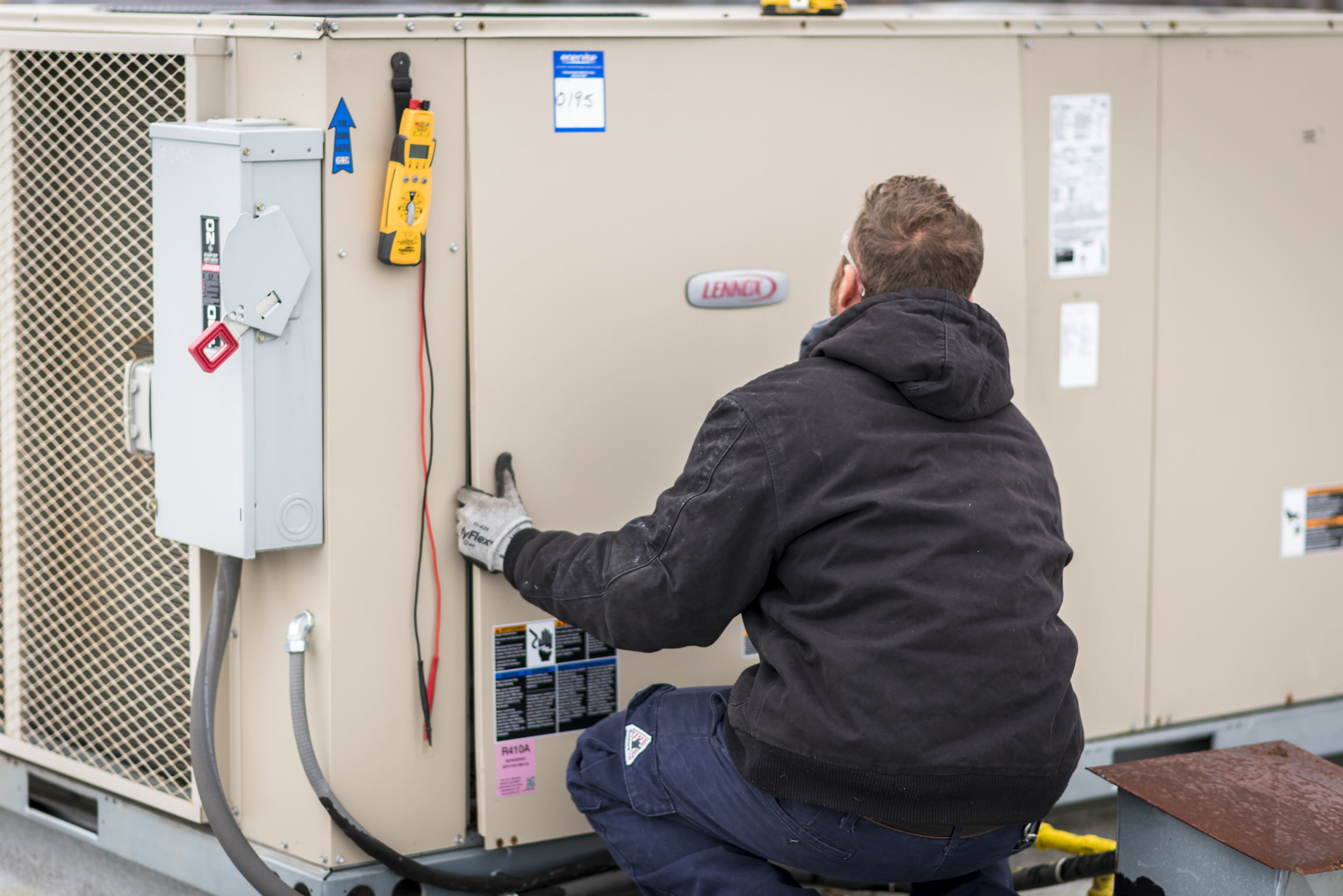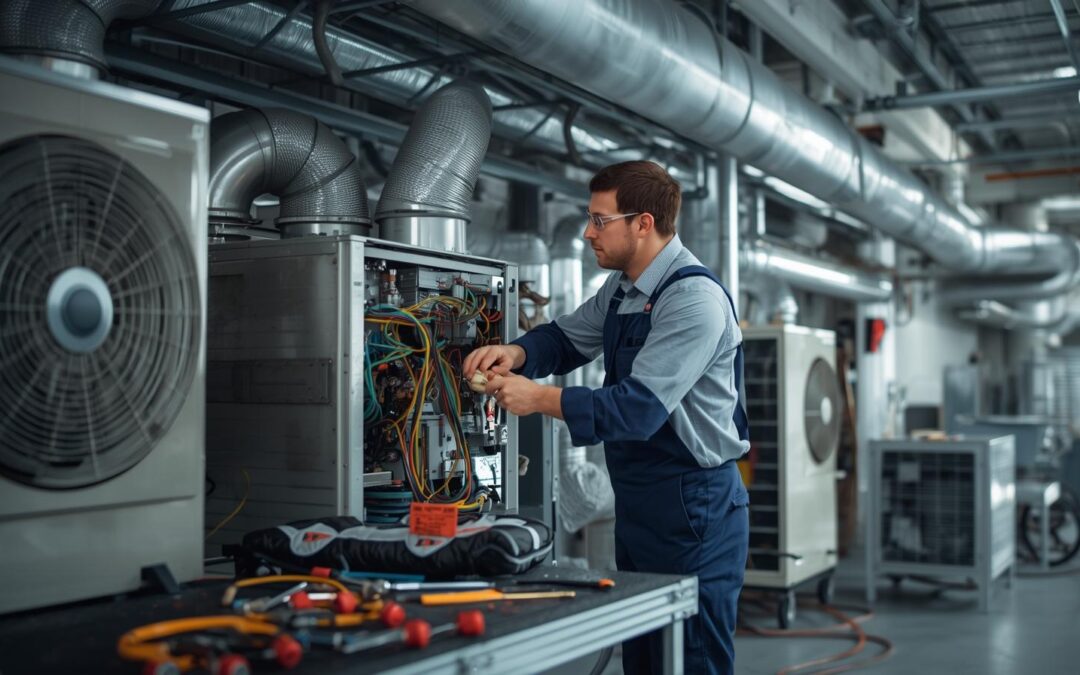
Central Kentucky’s climate puts real pressure on commercial buildings. Freezing winters and high-humidity summers strain HVAC and plumbing systems year-round. Most businesses already know that maintenance matters. What separates reliable operations from costly disruptions is timing and consistency.
This guide breaks down season-by-season HVAC and plumbing checkups specifically tailored to the Bluegrass region’s conditions. Whether your facility needs plumbing services or commercial HVAC support in Georgetown or Lexington, proactive planning keeps your systems running when you need them most. Local infrastructure, including Kentucky American Water’s service area, adds another layer of considerations for commercial properties.
From protecting against freeze damage to managing summer storm impacts, seasonal maintenance addresses the specific challenges Central Kentucky businesses face. Here’s how to prepare your systems for every season before Kentucky’s weather surprises you.
Understanding Kentucky’s Seasonal Risks for HVAC and Plumbing Systems
Kentucky’s geography creates distinct maintenance challenges throughout the year. Icy winters can freeze plumbing lines and damage outdoor HVAC coils. Spring and summer humidity strains cooling systems and drainage infrastructure. Heavy rainfall during the summer and fall months increases the risk of sump pump failures and sewer backflow issues.
Regional infrastructure factors compound these risks. Many commercial buildings in the area still rely on older plumbing systems. Clay soil conditions common throughout Central Kentucky affect drainage and foundation stability. Water pressure variations across Kentucky American Water’s service area can impact plumbing reliability, particularly in flood-prone zones.
These factors aren’t just inconveniences. They represent real risks to business operations. Proactive seasonal planning prevents these service interruptions and protects your investment in building systems.
Winter: Freeze Prevention and Reliable Heat
Winter in Central Kentucky calls for focused attention on freeze prevention and heating reliability. Temperature drops and overnight freezes can cause burst pipes and system failures, resulting in costly downtime. Protecting your commercial HVAC and commercial plumbing systems before winter arrives can help prevent these disruptions.
Key Winter Maintenance Tasks
- Inspect boilers, furnaces, and rooftop units for efficiency and safety before heating demand peaks.
- Insulate exposed pipes, outdoor plumbing lines, and mechanical rooms to prevent freeze damage during cold snaps.
- Verify emergency shutoffs and backup heating sources are functional and accessible.
- Check drain traps and sump systems for freeze vulnerability in unheated areas.
- Test thermostats and safety controls to ensure accurate temperature management throughout your facility.
Many older commercial buildings in Central Kentucky face unique winter challenges. Rooftop HVAC equipment remains exposed to harsh conditions. Mechanical rooms in older buildings may lack adequate insulation. Plumbing lines running through exterior walls or unheated spaces become vulnerable during extended freezes.
Regular winter inspections catch minor problems before they become major failures. A Lexington plumbing and HVAC technician can identify aging insulation, worn heating elements, or drainage issues that could cause system failures when temperatures drop. This proactive approach keeps your building comfortable for staff and tenants while avoiding costly emergency repairs.
Spring: Cooling System Prep and Thaw Recovery
Spring brings rising temperatures and humidity, placing new pressures on building systems. This season also reveals any damage caused by winter freezes. Spring maintenance prepares your commercial plumbing and cooling systems for the months ahead while addressing any lingering winter impacts.
Fluctuating spring temperatures can cause condensation inside buildings, affecting air quality and moisture control. Preparing Lexington HVAC systems now could prevent problems during peak cooling season. Spring also provides the ideal window for performance testing and energy audits before summer demand arrives.
Key Spring Maintenance Tasks
- Schedule comprehensive A/C inspections that include coil cleanings and refrigerant level checks.
- Test condensate drains and plumbing vents for proper function, as spring rainfall can reveal drainage problems.
- Flush water lines to remove mineral buildup that accumulated during the winter months when water sat stagnant in some lines.
- Check outdoor HVAC equipment for damage from winter weather.
- Clear debris from around units and verify that drainage systems handle spring rain properly.
- Inspect air handlers and ductwork for moisture issues or mold growth that may have developed during winter.
Spring maintenance also includes ensuring the cooling capacity matches expected demand. Energy consumption patterns may have shifted since last season. Testing systems under actual load conditions identifies any capacity issues before the first heat wave arrives.
Summer: Drainage, Humidity, and Flood Protection
Summer brings intense heat, high humidity, and storm activity that challenge both HVAC and plumbing systems. Managing moisture, ensuring adequate cooling, and protecting against flood damage become critical priorities. Central Kentucky’s summer weather patterns require specific preparation for commercial properties.
Regional flood risks affect many commercial properties, particularly in low-lying business parks and older facilities throughout the Lexington area. Heavy rainfall combined with a high water table can overwhelm drainage systems, leading to backflow. Summer storms arrive with little warning, making infrastructure preparation essential.
Key Summer Maintenance Tasks
- Test sump pumps, backflow preventers, and drainage systems before summer storm season to ensure they function properly under stress.
- Inspect and clean condensate lines and dehumidification systems that work overtime during humid months.
- Check for plumbing leaks that worsen during heavy rainfall or when the water table is high, which can put pressure on underground pipes.
- Confirm roof drainage systems clear water efficiently to prevent backup into mechanical spaces.
- Monitor humidity levels throughout the building to prevent moisture damage and maintain indoor air quality.
Commercial HVAC systems work hardest during the summer months. Regular monitoring catches minor problems, such as refrigerant leaks or failing compressors, before they cause complete system failures.
Drainage issues that seem minor during dry weather become serious problems during heavy rain events common to Kentucky summers. Commercial plumbing services should include regular inspection of sewer lines and drainage systems. Tree roots grow aggressively during the summer months and can infiltrate older sewer lines. Addressing these issues proactively prevents backups during critical business periods.
Fall: Heating System Tune-Up and Plumbing Readiness
Fall marks the transition between the cooling and heating seasons, making it the ideal time to prepare heating systems and protect plumbing infrastructure before winter arrives. Early fall maintenance helps avoid system strain when Kentucky’s first cold snap hits unexpectedly.
Temperature swings during fall can stress building systems. Facilities may need both heating and cooling on the same day. Commercial HVAC systems that performed well during summer may reveal problems once heating equipment starts running. Catching these issues in the fall prevents failures during peak winter demand.
Key Fall Maintenance Tasks
- Service boilers, furnaces, and air handlers to prepare for colder weather ahead. This step includes cleaning heat exchangers, testing ignition systems, and verifying proper combustion.
- Inspect thermostats and safety controls for accuracy, as calibration can drift over time.
- Drain or insulate outdoor hose bibs and cooling towers before freezing weather arrives. These components remain vulnerable to freeze damage even during early cold snaps.
- Check the building envelope for air leaks that affect HVAC efficiency. Sealing these leaks reduces heating costs and improves comfort.
Fall maintenance also includes preparing Lexington plumbing systems for winter. Insulate any exposed pipes from summer construction projects. Verify that heat tape functions properly on vulnerable lines. Test emergency shutoff valves to ensure they operate smoothly if quick action becomes necessary.
Commercial facilities should also address any deferred maintenance items identified during other seasons. Fall provides the window to complete these projects before winter weather makes outdoor work difficult or impossible.
Why Seasonal Planning Saves Money
Proactive seasonal maintenance delivers measurable financial benefits. The most obvious savings come from preventing major HVAC and plumbing repairs caused by neglect. A small investment in regular maintenance prevents expensive emergency repairs and equipment replacement.
Scheduled maintenance reduces emergency service calls during high-demand seasons. Emergency repairs cost significantly more than planned maintenance. They also happen at the worst possible times, disrupting business operations when you can least afford downtime.
Regular maintenance improves energy efficiency throughout your facility. Clean coils, properly calibrated controls, and well-maintained equipment consume less energy while providing better performance. These efficiency gains compound over time, reducing utility costs month after month.
Seasonal planning helps businesses predict costs and extend equipment life. Instead of facing surprise repair bills, you can budget for predictable maintenance expenses. Well-maintained equipment lasts longer and performs more reliably than neglected systems. It means you get more value from your capital investments in building infrastructure.
Partnering with experienced commercial HVAC and commercial plumbing professionals ensures your systems always operate at peak efficiency and compliance. Local technicians familiar with Kentucky’s climate patterns can anticipate problems before they occur and recommend solutions specific to regional conditions.
Choose a Local Partner for Commercial HVAC and Plumbing
Regional expertise matters when selecting a maintenance partner. Local technicians understand Kentucky’s freeze-thaw patterns and humidity challenges because they work with them every day. This experience translates to faster diagnosis and more effective solutions.
Familiarity with Kentucky American Water’s infrastructure supports better troubleshooting of water pressure and drainage issues. Local providers know which areas experience pressure fluctuations and which zones remain prone to flooding. This knowledge helps identify the root causes of plumbing problems quickly.
Coordinated commercial HVAC and plumbing services simplify management for commercial properties. Working with a single provider who handles both systems streamlines scheduling, reduces coordination headaches, and ensures that work on one system considers impacts on the other. This integrated method delivers better results than managing multiple contractors.
Enervise has built its reputation on reliable commercial plumbing and HVAC service throughout Central Kentucky. Our technicians know the region’s buildings, infrastructure, and climate challenges. We provide year-round support with guaranteed response times and comprehensive maintenance programs tailored to commercial facilities.
Local partnerships also mean better emergency response. When problems occur outside business hours or during holidays, regional providers can reach your facility quickly. Our average response time of 1.5 hours, even during off-hours and weekends, keeps disruptions to a minimum.
FAQs
When is the best time to schedule HVAC and plumbing inspections in Central Kentucky?
Schedule inspections before each significant season change: late fall (before winter), early spring (before cooling season), mid-summer (for storm preparation), and early fall (before heating season). This quarterly approach catches problems before they cause failures during peak demand periods.
What systems are most vulnerable to freeze or flood damage?
Exposed pipes, outdoor hose bibs, and plumbing in unheated spaces face the highest risk of freezing. Sump pumps, floor drains, backflow preventers, and sewer lines are most vulnerable to flood damage. Rooftop HVAC units can suffer freeze damage to coils and condensate lines.
How does Kentucky’s humidity affect commercial HVAC and commercial plumbing systems?
High humidity forces cooling systems to work harder, increasing wear on compressors and fans. Condensate drains handle higher moisture volumes, increasing the likelihood of clogs. Humidity affects indoor air quality and can promote mold growth. Commercial plumbing systems may experience more corrosion on exposed pipes and fixtures.
Can seasonal maintenance really reduce emergency repair costs?
Yes, significantly. Regular inspections catch small problems like worn belts, minor leaks, or calibration issues before they cause system failures. Scheduled maintenance costs far less than emergency repairs and helps avoid business disruption from unexpected downtime.
What’s included in a seasonal checkup for commercial plumbing and commercial HVAC systems?
A comprehensive seasonal checkup includes equipment inspection, testing of safety controls and thermostats, cleaning coils and filters, verifying refrigerant levels, inspecting electrical connections, testing condensate drains, examining plumbing fixtures and supply lines, and evaluating system performance. Technicians provide recommendations for any needed repairs or upgrades.
Stay Ahead of Every Season in Central Kentucky
Kentucky’s climate calls for consistent, scheduled HVAC and plumbing inspections across all four seasons. Winter freeze protection, spring system preparation, summer drainage management, and fall heating readiness each play critical roles in maintaining reliable building operations.
Planning prevents downtime, protects budgets, and extends system life. The costs of reactive maintenance and emergency repairs far exceed investments in proactive seasonal service. Well-maintained systems provide better comfort, lower operating costs, and fewer surprises.
Commercial facilities throughout the Georgetown and Lexington region benefit from partnering with maintenance providers who understand local conditions and infrastructure. Seasonal maintenance programs tailored to Central Kentucky’s climate ensure your building systems perform reliably regardless of the weather.
Schedule a seasonal maintenance consultation with Enervise’s technicians today. Our team provides complete Lexington HVAC and plumbing support throughout Central Kentucky, keeping your facility comfortable, efficient, and operational year-round. Contact us to discuss a customized maintenance program for your property.